Healing Through Art: Expressive Techniques for Wellness

Updated: May 18
Art has long been recognized as a powerful medium for self-expression and communication. It transcends language and cultural barriers, allowing individuals to convey emotions and experiences that may be difficult to articulate. In recent years, the therapeutic benefits of art have gained significant attention, leading to the emergence of art therapy as a recognized form of healing. This blog post explores various expressive techniques that harness the power of art for wellness, offering practical insights for those seeking to enhance their emotional and mental well-being.
Understanding Expressive Arts
Art therapy is a therapeutic practice that integrates artistic expression with psychological healing. It is facilitated by trained professionals who guide individuals in using art as a means of exploring feelings, reducing anxiety, and improving self-esteem. The process encourages creativity and self-discovery, making it a valuable tool for individuals facing emotional challenges.
The Benefits of Art Therapy
Art therapy offers numerous benefits, including:
Emotional Release: Engaging in creative activities allows individuals to express feelings that may be difficult to verbalize. This can lead to a sense of relief and emotional catharsis.
Stress Reduction: Creating art can serve as a form of mindfulness, helping individuals focus on the present moment and alleviate stress.
Enhanced Self-Discovery: Through the creative process, individuals often gain insights into their thoughts and emotions, fostering personal growth and self-awareness.
Improved Communication: Art can serve as a bridge for communication, particularly for those who struggle to articulate their feelings verbally.
Expressive Techniques for Wellness
1. Painting
Painting is one of the most accessible forms of artistic expression. It allows individuals to explore colors, shapes, and textures, creating a visual representation of their emotions. Here are some techniques to consider:
Abstract Painting: Encourage individuals to paint without a specific subject in mind. This can help them tap into their subconscious and express emotions freely.
Color Exploration: Different colors evoke different feelings. Encourage individuals to choose colors that resonate with their current emotional state and use them in their artwork.
2. Drawing
Drawing is another powerful medium for self-expression. It requires minimal materials and can be done anywhere. Techniques to explore include:
Doodle Therapy: Encourage individuals to doodle or sketch while listening to music or reflecting on their thoughts. This can promote relaxation and creativity.
Mind Mapping: Use drawing to create a visual representation of thoughts and feelings. This technique can help individuals organize their emotions and gain clarity.
3. Collage
Collage involves assembling various materials, such as magazine clippings, photographs, and fabric, to create a new piece of art. This technique can be particularly effective for those who find it challenging to create original artwork. Here’s how to get started:
Theme-Based Collage: Encourage individuals to create a collage based on a specific theme, such as "hope" or "transformation." This can help them focus their thoughts and emotions.
Vision Boards: Collages can also serve as vision boards, allowing individuals to visualize their goals and aspirations.
4. Sculpture
Sculpting provides a tactile experience that can be incredibly grounding. Working with clay or other materials allows individuals to engage their senses and express emotions physically. Techniques to explore include:
Clay Modeling: Encourage individuals to mold clay into shapes that represent their feelings. This hands-on approach can facilitate emotional release.
Found Object Sculpture: Use everyday objects to create sculptures that symbolize personal experiences or emotions. This can promote creativity and resourcefulness.
5. Creative Writing
While not a visual art form, creative writing is a powerful tool for self-expression. It allows individuals to articulate their thoughts and feelings in a structured way. Techniques to consider include:
Journaling: Encourage individuals to keep a journal where they can write about their daily experiences, emotions, and reflections. This practice can enhance self-awareness and emotional processing.
Poetry: Writing poetry can be a cathartic experience. Encourage individuals to experiment with different forms of poetry to express their feelings creatively.
Incorporating Art into Daily Life
Integrating art into daily routines can enhance overall well-being. Here are some practical tips:
Set Aside Time for Creativity: Dedicate specific times each week for artistic activities. This can help individuals prioritize their mental health and well-being.
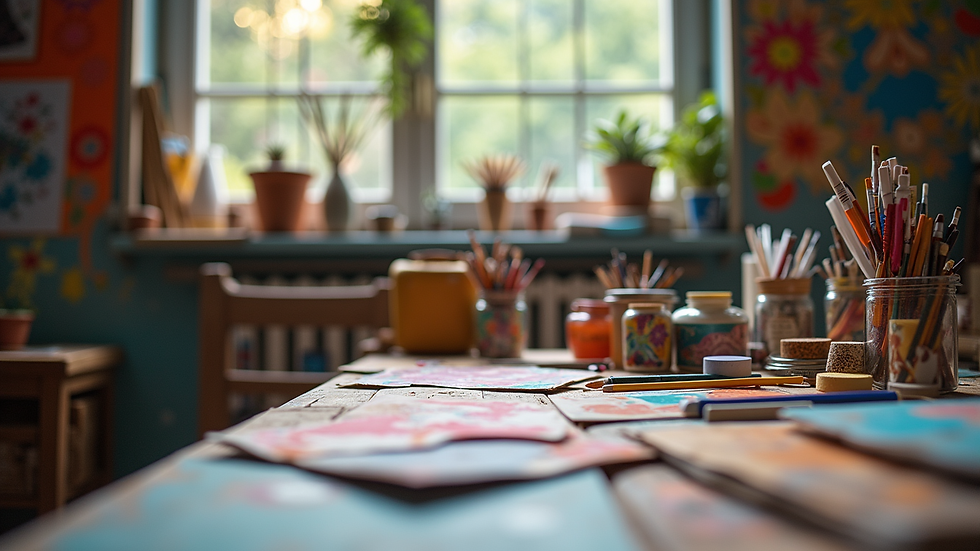
Create a Personal Art Space: Designate a space in the home for artistic expression. Having a dedicated area can inspire creativity and make it easier to engage in art regularly.
Join a Community: Participating in art classes or workshops can provide social support and foster connections with others who share similar interests.
The Role of Mindfulness in Art
Mindfulness is the practice of being present and fully engaged in the moment. When combined with art, mindfulness can enhance the therapeutic benefits of creative expression. Here’s how to incorporate mindfulness into artistic practices:
Focus on the Process: Encourage individuals to concentrate on the act of creating rather than the final product. This shift in focus can reduce anxiety and enhance enjoyment.
Breathe and Reflect: Before starting an art session, take a few moments to breathe deeply and reflect on current emotions. This practice can help individuals connect with their feelings and channel them into their artwork.
Conclusion
Art is a powerful tool for healing and self-expression. By exploring various expressive techniques, individuals can tap into their creativity and enhance their emotional well-being. Whether through painting, drawing, collage, sculpture, or creative writing, the act of creating can provide a sense of relief, clarity, and connection. As you embark on your artistic journey, remember that the process is just as important as the outcome. Embrace the freedom of expression and allow art to guide you toward wellness.
By incorporating art into your daily life and practicing mindfulness, you can cultivate a deeper understanding of your emotions and foster a greater sense of well-being. So grab your supplies, find your creative space, and let the healing power of art transform your life.


Comments